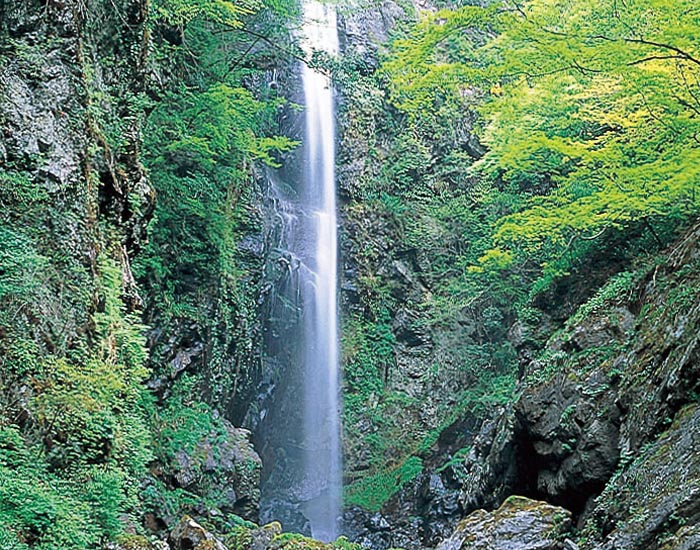
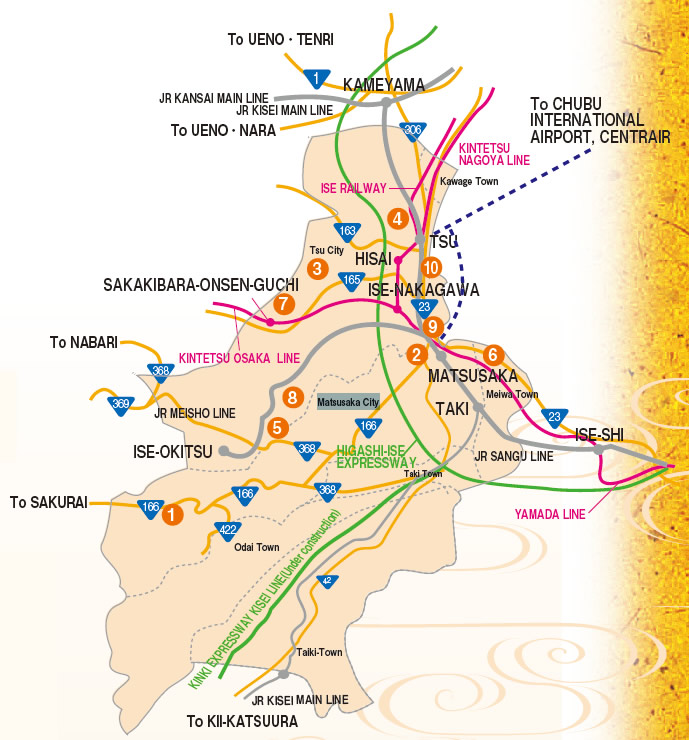
1- Okukahada Gorge (Matsusaka City)
|
2- Gojoban Yashiki(Castle Guards House) (Matsusaka City)
|
This ravine along the upper reaches of the Kushida River features a breathtaking view of huge boulders, primeval forest, and waterfalls both large and small.
- 90-minute bus ride to the Hotel Smeall bus stop from Matsusaka Station on the JR or Kintetsu lines
|
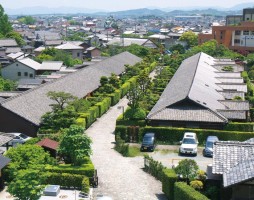
Matsusaka Castle, built in 1588, now remains as a park with stone wall being the only original structure. Outside of the rear gate are 19 townhouses where castle guards and their families once resided. The stone paved street lined with these townhouses and Maki (Japanese Yew) hedges, unique to this area, gives visitors a glimpse of the old days of the samurai.
- 5-minute walk from the Shiyakusho-mae bus stop after a ride from Matsusaka Station on the JR or Kintetsu lines
|
| 3- Sakakibara Spa (Tsu City) |
4- Shinshu Takada Honzan Senshu-ji Temple (Tsu City)
|
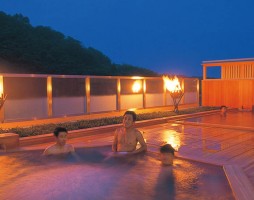
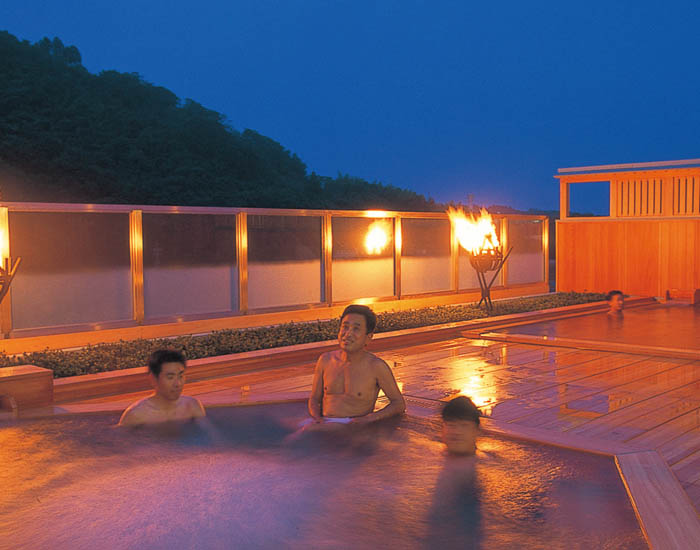
One of the three most famous hot springs in Japan, Sakakibara Spa has been popular since ancient times. It is mentioned in the Makuranososhi(Pillow Book) of Sei Shonagon, a female writer and member of the lmperial court during the 10th century, where it is referred to as “Nanakuri-no-yu”.
- 30-minute bus ride from Hisai Station on the Kintetsu Line or 15-minute bus ride from Sakakibara-onsenguchi Station on the Kintetsu Line
|
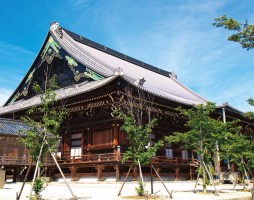
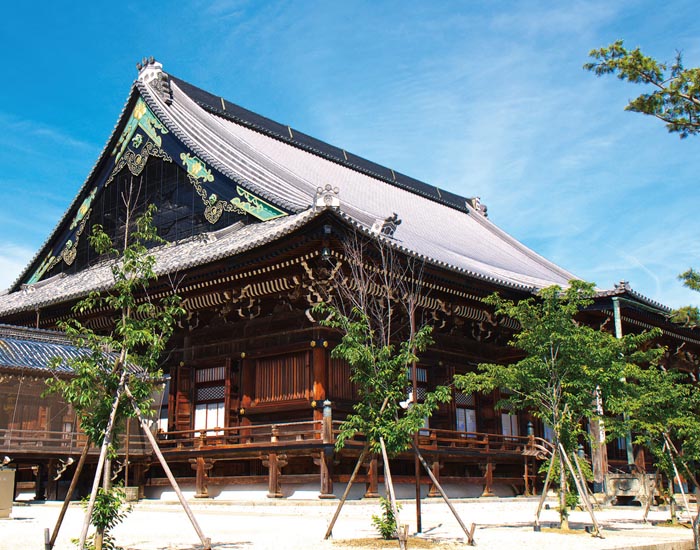
The largest temple in Mie Prefecture, this is the head temple of the Shinshu Takada sect, which practices one form of Buddhism. The temple complex features many beautiful buildings, including the Miei-do, and a museum housing the temple’s national treasures and valuable cultural artifacts.
- 5-minute walk from Ishinden station on the JR line
|
5- Kitabatake House Garden (Tsu City)
|
6- Saiku Historical Museum (Meiwa Town)
|
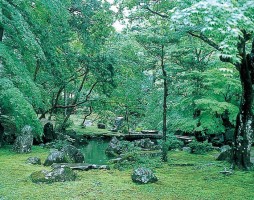
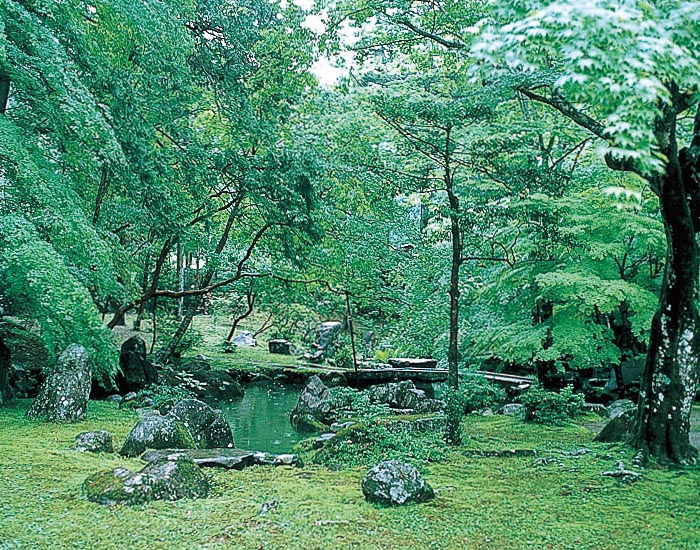
A Japanese garden in Kitabatake shrine is designated a national historic site and is one of the best three gardens once owned by samurai warriors. The marvelous Muromachi Period garden was designed by Takakuni Hosokawa, a warrior in 16th century, and is known for its complex design of Komeji-ike pond and Japanese rock garden (karesansui) and the beautiful foliage.
- 10-minute ride from Ise-okitsu Station on the JR Line
|
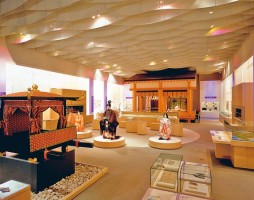
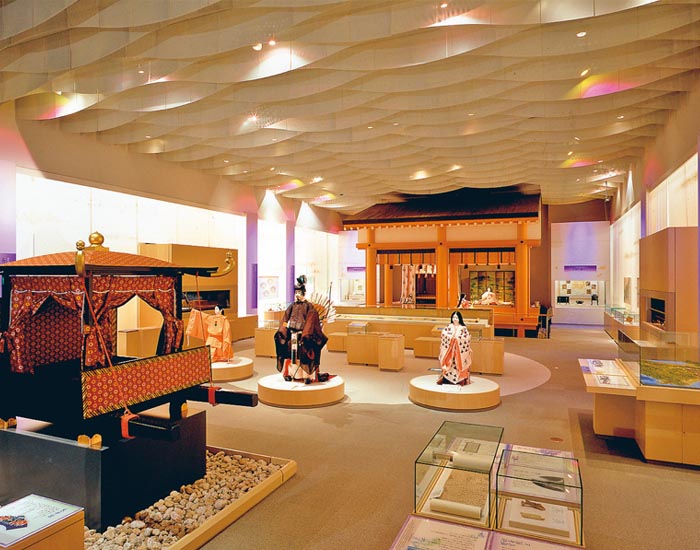
This museum is located in a part of Saiku that was the former location of the palace of the unmarried Imperial Princess Saioh who served at Ise Jingu Shrine as a representative of the Emperor, and a former location of government offices. Various kinds of materials and excavated relics are displayed to aid an understanding of the history and culture of Saiku.
- 15-minute walk from Saiku Station on the Kintetsu Line
|
7- Aoyama Plateau (Tsu City)
|
8- Misugi Resort Hotels & Spa (Tsu City)
|
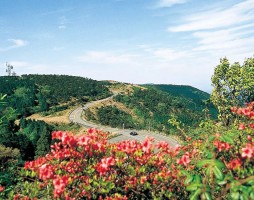
This gently sloping highland is located 600 to 700 meters above sea level. Red azaleas blanket the region from mid-April to mid- May, and a local resort offers tennis courts, a golf course, and an equestrian club.
- 2-hour walk from Nishi-aoyama Station on the Kintetsu Line
|
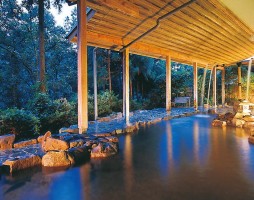
This is a comprehensive resort and leisure facility located in a luxurious, natural environment, with nine different facilities including an amusement park, swimming pool, ranch, and “experience factory.” You can stay at the hotels while enjoying this relaxing resort complex.
- 10-minute walk from Ise-yachi Station on the JR Line,30-minute ride on a free shuttle bus from Sakakibara Onsen Station on the Kintetsu Line (reservations necessary)
|
9- Matsusaka Merchant House (Matsusaka City)
|
|
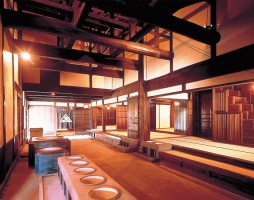
Matsusaka prospered as a commercial center during The Edo period. The restored home of the Ozu family, typical of wealthy merchant families of the period, has been opened to the public. Valuable and rare products of the period are on display, offering a glimpse of the lifestyle of that period.
- Near Matsusaka station on the JR or Kintetsu lines
|
|